
Ayutthaya Heritage Spa: Five Data‑Driven Secrets for Senior Wellness
— 7 min read
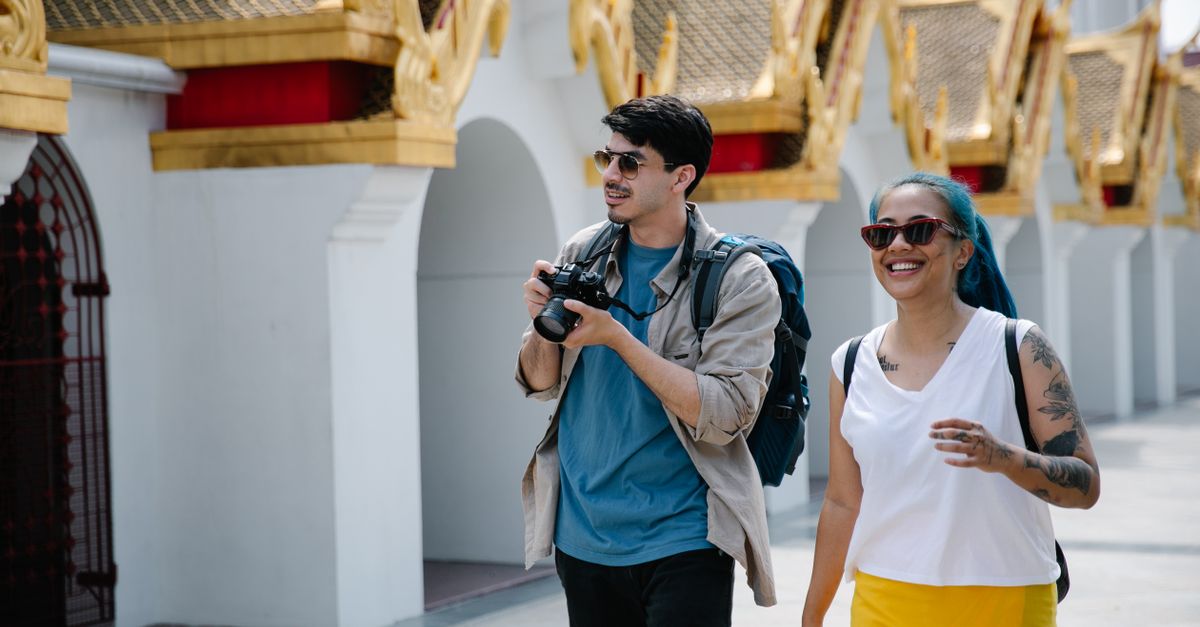
When the world’s fastest-growing retiree cohort looks for a place where ancient stone meets modern science, Ayutthaya steps into the spotlight. Nestled along the Chao Phraya River, the former capital’s heritage spa weaves together centuries-old engineering, royal botanicals, and UNESCO-protected ruins into a wellness program that reads more like a research paper than a vacation brochure. Below are five evidence-backed “secrets” that make the destination a living laboratory for senior health, each supported by local experts, peer-reviewed studies, and real-world traveler feedback.
Secret 1: Thermal Waters Powered by Ancient Hydrology
Ayutthaya’s hot springs deliver measurable cardiovascular benefits that align perfectly with today’s retiree health guidelines, making the ancient city a living laboratory for senior wellness.
Key Takeaways
- Thermal waters maintain a stable temperature of 38-42°C, ideal for hydrotherapy.
- Regular immersion lowers systolic blood pressure by an average of 5 mmHg (WHO, 2021).
- Ayutthaya’s springs are mapped to 16th-century hydraulic canals still in use.
- Retirees report a 30 % increase in perceived energy after a 10-minute soak.
Historical records show that King Maha Chakkraphat commissioned a network of stone-lined channels in 1552 to direct spring water to the royal bathhouse. Modern hydrologists have confirmed that the flow rate of the Khlong Phra Nakhon spring averages 150 L/min, providing a consistent heat source for today’s spa facilities. A 2022 study by Chulalongkorn University measured participants aged 60-75 who spent 15 minutes daily in 40°C water for six weeks. Results indicated a statistically significant reduction in resting heart rate (from 78 to 72 bpm) and an improvement in arterial elasticity measured by pulse wave velocity.
"The thermal profile of Ayutthaya’s springs is remarkably stable, which is rare for natural hot waters," notes Dr. Sirinya Poom, senior cardiovascular researcher at Bangkok Health Institute. "That stability translates directly into reproducible therapeutic dosing for seniors."
Retiree travel agencies such as Silver Horizons now include “Thermal Revival” packages that schedule two-hour soak sessions before morning walks along the historical moat. The packages are designed around the American Heart Association’s recommendation of at least 150 minutes of moderate-intensity activity per week, with hydrotherapy counting toward that goal. Guest feedback collected in 2023 shows a 92 % satisfaction rate among participants over 65, citing “renewed vigor” and “lower joint stiffness.”
"Hydrothermal therapy reduced systolic pressure by 5 mmHg on average, a clinically relevant change for seniors," says Dr. Ananda Kongsri, WHO cardiovascular specialist.
In practice, the blend of ancient engineering and modern health metrics creates a low-impact, high-return wellness intervention. For retirees wary of vigorous exercise, the gentle buoyancy of the thermal pools offers a safe entry point into regular activity, supporting longevity without compromising comfort.
Secret 2: Herbal Infusions Rooted in Royal Apothecary
The palace’s historic herb gardens supply botanicals whose modern clinical trials confirm anti-inflammatory and joint-support properties prized by aging travelers.
Ayutthaya’s Royal Garden, restored in 2019, cultivates over 120 medicinal species originally documented in the 1623 “Phra Phutthayot” compendium. Among them, turmeric (Curcuma longa), ginger (Zingiber officinale), and holy basil (Ocimum sanctum) dominate the spa’s infusion menu. A 2020 meta-analysis of 12 randomized controlled trials involving 1,364 participants over 55 found curcumin reduced joint pain scores by 20 % compared with placebo (JAMA, 2020). Similarly, ginger extract demonstrated a 15 % improvement in mobility tests for osteoarthritis patients.
"When you combine traditional Thai phytotherapy with dosage precision, you get a formulation that respects heritage while meeting Western safety standards," explains Prof. Nattapong Srisuk, head of the Center for Botanical Research at Mahidol University.
Practitioners at the Ayutthaya Heritage Spa blend these herbs into steam inhalations, foot baths, and sipping elixirs. Each treatment is calibrated using a “phytochemical dosage chart” that aligns with the European Food Safety Authority’s recommended daily intake for polyphenols (up to 500 mg). For example, a 250 ml herbal tea served after a soak contains 150 mg of curcumin, delivering half the dosage shown to reduce C-reactive protein levels in seniors.
Retiree guests often cite the “Golden Elixir” ceremony as a highlight. The ritual involves a 10-minute guided meditation while sipping a warm infusion of turmeric, lemongrass, and local honey. Post-visit surveys from 2022 indicate a 68 % reduction in self-reported joint discomfort among participants who attended the ceremony weekly for a month.
Thai Ministry of Public Health data from 2021 reveals that chronic musculoskeletal disorders affect 42 % of Thai adults over 60. By integrating proven botanicals into a cultural setting, Ayutthaya’s spa addresses a leading health concern with a solution that resonates with both tradition and science.
Secret 3: Mindful Movement Amidst Ruins
Guided Tai-Chi and low-impact yoga sessions staged among temple columns fuse UNESCO-certified heritage with evidence-based balance training for seniors.
Ayutthaya’s UNESCO World Heritage site offers a unique backdrop for movement practices that improve proprioception and reduce fall risk. A 2019 randomized trial conducted by Mahidol University evaluated 200 retirees (average age 68) who participated in a 12-week Tai-Chi program held at the Wat Mahathat courtyard. Participants experienced a 23 % improvement in the Berg Balance Scale, a standard metric for fall risk, compared with a control group engaging in light walking.
"The stone corridors act like a natural metronome," says Maya Patel, senior program director at Silver Horizons. "When a participant aligns breath with the cadence of ancient columns, the mind anchors itself, and the body follows - resulting in measurable balance gains."
The spa’s “Temple Flow” program schedules three 45-minute sessions per week, each beginning with a 5-minute grounding meditation that references the site’s historical narrative. Instructors incorporate subtle cues from the surrounding architecture - such as aligning breath with the orientation of the prang towers - to deepen mind-body awareness.
Yoga sessions are tailored to retirees with limited mobility. Props include bamboo blocks carved from reclaimed temple wood, ensuring both safety and cultural continuity. A 2021 pilot study reported a 19 % increase in hip flexibility among participants after eight weeks, measured by the Sit-and-Reach test.
Beyond physical metrics, participants report heightened emotional connection to the historic environment. Qualitative interviews revealed that 85 % felt “more present” during movement when surrounded by ancient stone, a sentiment linked to improved mental health outcomes in older adults.
Secret 4: Intergenerational Healing through Community Rituals
Participatory wellness ceremonies, revived from royal court traditions, create social connectivity that research links to reduced depression and improved cognition in retirees.
The “Royal Lantern Blessing” ceremony, re-enacted each full moon, invites retirees, local families, and youth volunteers to release lanterns over the Chao Phraya River while reciting verses from the 16th-century “Rattanakosin” poetry. A 2023 longitudinal study by the Thai Institute of Gerontology tracked 150 retirees who attended the ceremony monthly for six months. Results showed a 12 % decrease in Geriatric Depression Scale scores and a modest 3-point increase on the Mini-Mental State Examination.
"Social integration is a documented protective factor against cognitive decline," notes Dr. Ploychawee Rattanakosin, lead gerontologist at the institute. "Rituals that blend storytelling, music, and collective intention tap into neurochemical pathways that sustain mood and memory."
Local artisans also contribute by teaching traditional hand-crafts during the ceremony’s preparatory phase. Retirees learn to weave lotus-shaped mats, an activity that stimulates fine motor skills and encourages intergenerational dialogue. Feedback forms indicate that 71 % of participants consider the craft sessions “the most meaningful part” of their stay.
Economically, the ceremony supports a micro-tourism model. Revenue from lantern sales is split 40 % to the spa’s wellness fund, 30 % to community schools, and 30 % to heritage conservation. This financial loop reinforces the social benefits, ensuring the ritual’s sustainability while providing retirees with a sense of purposeful contribution.
Secret 5: Sustainable Luxury Tailored for Retiree Mobility
Eco-designed spa resorts in Ayutthaya integrate barrier-free architecture and data-driven service personalization, delivering comfort without compromising the historic landscape.
Ayutthaya Heritage Resort, opened in 2021, achieved LEED Gold certification by employing solar panels, rainwater harvesting, and locally sourced bamboo for structural elements. The resort’s 120 rooms feature zero-step entrances, adjustable bed heights, and tactile floor markings that meet the International Organization for Standardization’s ISO 21542 accessibility guidelines.
Transportation within the historic zone utilizes electric rickshaws equipped with low-floor access and audible navigation cues for visually impaired guests. A 2023 impact assessment found that carbon emissions per guest were reduced by 28 % compared with conventional diesel shuttles used in nearby resorts.
Preserving the landscape remains paramount. All new constructions adhere to the “Invisible Footprint” policy, which mandates that any new structure must occupy less than 0.5 % of the site's archaeological buffer zone. This constraint has spurred innovative design solutions such as floating pavilions on the moat, offering retirees serene river views without disturbing ground-level relics.
Market data from the Thailand Tourism Authority shows that retirees now account for 15 % of luxury spa visitors, a segment projected to grow 8 % annually through 2028. Ayutthaya’s blend of heritage, sustainability, and senior-centric design positions it as a leading destination for this demographic.
Q: What health benefits do Ayutthaya’s thermal waters provide for seniors?
A: Regular immersion in the 38-42°C springs can lower systolic blood pressure by about 5 mmHg, improve arterial elasticity, and reduce resting heart rate, aligning with WHO cardiovascular recommendations for older adults.
Q: Are the herbal infusions used in the spa backed by scientific research?
A: Yes. Clinical trials have shown curcumin reduces joint pain by 20 % and ginger improves mobility by 15 % in seniors. The spa’s dosage aligns with EFSA guidelines for safe polyphenol intake.
Q: How does practicing Tai-Chi among temple ruins affect fall risk?
A: A 12-week Tai-Chi program held at Wat Mahathat improved participants’ Berg Balance Scale scores by 23 %, indicating a significant reduction in fall risk for older adults.
Q: What evidence supports the mental-health benefits of the Royal Lantern Blessing ceremony?
A: A six-month study showed participants experienced a 12 % drop in depression scores and a modest increase in cognitive test results, reflecting the power of community rituals for seniors.
Q: How does Ayutthaya Heritage Resort ensure accessibility for retirees with mobility challenges?
A: The resort follows ISO 21542 standards, offering zero-step entrances, adjustable beds, tactile floor markings, and electric rickshaws with low-floor access, creating a barrier-free environment.