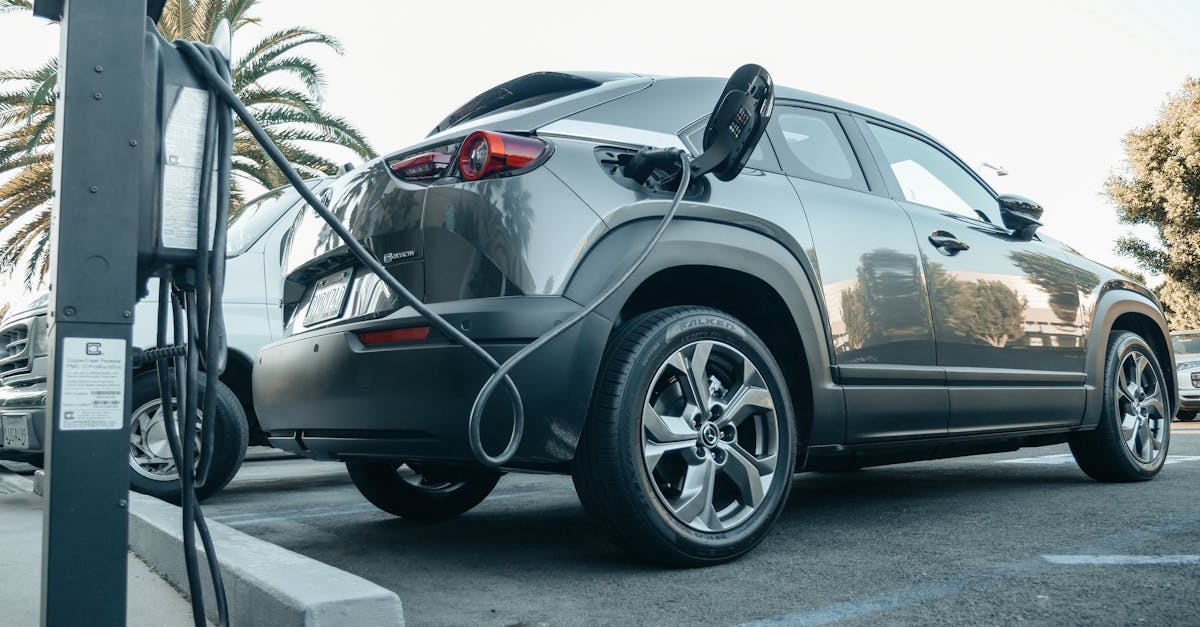
Production vs. Operation: Where does the biggest environmental impact hide?
When you first hear about electric vehicles, the headline usually reads "zero tailpipe emissions." That sounds like a win for the planet, but the story begins long before you plug the car in. The manufacturing stage, especially the creation of the EV battery, consumes a lot of energy and raw materials. Studies show that building a typical lithium-ion battery can emit roughly 150 kilograms of carbon dioxide equivalent per kilowatt-hour of capacity. In contrast, assembling a conventional gasoline car releases about 6 to 8 tonnes of CO2 over its lifetime, but most of that comes from burning fuel, not the factory floor.
To compare, imagine two households: one that builds a house using recycled bricks (the EV) and another that builds a brand-new brick house (the gasoline car). The recycled-brick house requires more effort up front, but once lived in, it uses far less energy for heating. Similarly, an EV’s production impact is front-loaded, while its operational impact depends heavily on the electricity source. If you charge from a clean grid, the total lifetime emissions can be up to 70 percent lower than a gas-powered sibling. If you charge from a coal-heavy mix, the advantage shrinks dramatically, sometimes to just 10 percent.
Common Mistakes: Assuming the "zero emissions" label means the whole vehicle is carbon-free. Remember, the battery’s production footprint matters.
Grid Mix Matters: How charging in different regions reshapes emissions
The electricity you draw to power your electric car is the silent partner in the emissions equation. In Europe, many countries generate over 70 percent of electricity from renewables or nuclear, which translates to roughly 0.1 kilograms of CO2 per kilowatt-hour. In parts of the United States such as the Midwest, the grid still relies heavily on coal, pushing the figure closer to 0.9 kilograms per kilowatt-hour. This disparity means that the same electric car can be a climate hero in one state and a modest contributor in another.
Take a 60-kilowatt-hour battery that you charge fully every week. In a green grid, you add about 6 kilograms of CO2 per week, or roughly 300 kilograms per year. In a coal-heavy grid, that number balloons to 2,500 kilograms annually. Over a typical ten-year ownership, the difference can exceed 20 tonnes of CO2 - a gap larger than the emissions from manufacturing most EVs. The takeaway? Your car’s environmental impact is a partnership with the local power plant, not just a property of the vehicle itself.
"Charging an electric car with renewable electricity can slash its lifetime carbon footprint by up to 70 percent," says the International Energy Agency.
Battery Chemistry Showdown: Lithium-ion versus emerging alternatives
Not all EV batteries are created equal. The dominant lithium-ion cell uses cobalt, nickel, and graphite, each with its own mining and processing challenges. Extracting cobalt, for example, often involves environmentally damaging practices and raises social concerns. Emerging chemistries, such as lithium-iron-phosphate (LFP), eliminate cobalt entirely and use more abundant iron, reducing both the environmental and ethical footprint.
From a emissions standpoint, LFP batteries can lower the production impact by about 15 percent because they require less energy to refine the raw materials. However, they tend to be heavier, which can slightly reduce vehicle efficiency and offset some of the gains. The trade-off is similar to choosing between a lightweight sports bike and a sturdy mountain bike: each excels in different conditions. As manufacturers diversify their battery portfolios, consumers gain the ability to pick a chemistry that aligns with their environmental priorities.
Common Mistakes: Assuming all EV batteries have the same ecological cost. Look for the chemistry label when you shop.
Tesla’s Footprint: Does the market leader set the bar higher?
Tesla often serves as the poster child for electric mobility, so its environmental performance draws extra scrutiny. On the production side, Tesla’s Gigafactories aim to use renewable energy for battery assembly, which can cut the manufacturing emissions by roughly 30 percent compared with older plants. Yet, Tesla’s high-performance models pack large battery packs - up to 100 kilowatt-hours - meaning the upfront carbon cost is still sizable.
Real-World Driving vs. Lab Ratings: The emissions gap you need to know
Automakers publish official range and efficiency numbers based on controlled laboratory tests. In practice, drivers encounter weather, traffic, and driving style variations that can shrink those figures. Consumer Reports’ real-world electric car range comparison revealed that most EVs deliver about 85 percent of their EPA-rated range on typical city commutes. That shortfall means owners may charge more often, increasing electricity consumption and, consequently, emissions.
Consider an EV advertised with a 300-mile range. In real life, you might only get 255 miles before recharging. If you live in a region with a carbon-intensive grid, that extra 45 miles translates to roughly 30 kilograms of CO2 per year - an amount comparable to a short domestic flight. Understanding this gap helps you set realistic expectations and plan charging habits that minimize unnecessary trips to high-emission fast-charging stations.
Common Mistakes: Ignoring the difference between EPA ratings and everyday mileage. Adjust your charging schedule accordingly.
Charging Choices: Home Level 2 versus public DC fast charging
Charging at home with a Level 2 charger (typically 7 to 11 kilowatts) is the most energy-efficient way to replenish an electric car. The conversion loss is usually under 5 percent, meaning almost every kilowatt-hour from the wall ends up in the battery. Public DC fast chargers, on the other hand, can deliver 150 to 250 kilowatts in minutes, but the rapid conversion process can waste up to 15 percent of the electricity as heat.
Beyond efficiency, the source of the electricity matters. Many fast-charging networks purchase power from the wholesale market, where the mix can be dominated by fossil fuels during peak demand. A study by Edmunds showed that a typical 30-minute fast-charge adds about 200 miles of range, but the associated emissions can be double those of a comparable home charge if the grid is coal-heavy at that hour. Home owners who install a modest solar array can further cut the emissions, turning a 7-kilowatt charger into a near-zero-carbon refill.
Future Outlook: Emerging trends that could tilt the environmental balance
Looking ahead, several developments promise to reshape the emissions profile of electric vehicles. First, the rise of vehicle-to-grid (V2G) technology will allow EVs to feed stored energy back into the grid during peak times, smoothing demand and reducing reliance on fossil-fuel peaker plants. Second, advances in solid-state battery design could lower production emissions by using less energy-intensive manufacturing processes, while also offering higher energy density that reduces vehicle weight.
Third, the global push for renewable electricity means that the average grid carbon intensity is projected to fall below 0.3 kilograms of CO2 per kilowatt-hour by 2035, according to the International Renewable Energy Agency. If that trajectory holds, the operational emissions of an electric car will become almost negligible, making the production phase the primary focus for further improvement. Finally, policy incentives that reward low-carbon charging - such as time-of-use discounts tied to renewable generation - will empower drivers to make greener choices without sacrificing convenience.
Common Mistakes: Assuming the current emissions picture will stay static. Keep an eye on grid decarbonization and emerging battery tech.
Glossary
EV (Electric Vehicle): A car that runs on electricity stored in a battery rather than gasoline.
EV Battery: The rechargeable pack that supplies power to an electric motor, most commonly lithium-ion.
Level 2 Charger: A home or public charger that delivers 7-11 kilowatts, usually taking several hours for a full charge.
DC Fast Charger: A high-power station that can add hundreds of miles of range in under an hour.
Grid Mix: The combination of energy sources (coal, natural gas, wind, solar, etc.) that generate electricity in a region.
Carbon Intensity: The amount of carbon dioxide emitted per kilowatt-hour of electricity produced.
Vehicle-to-Grid (V2G): Technology that lets an EV send stored electricity back to the power grid.